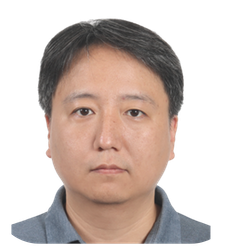
Byung-Hoo Lee
Department of Food Science & Biotechnology
Sejong University, South Korea
Biography
Dr. Byung-Hoo Lee is a Professor in the Department of Food Science and Biotechnology at Sejong University in Seoul, Republic of Korea. He received his Ph.D. from Purdue University in 2012 under the guidance of Dr. Bruce Hamaker, and subsequently worked as a Postdoctoral Researcher at the Whistler Center for Carbohydrate Research until 2015. After serving as a faculty member at Gachon University, he joined Sejong University, where he is also affiliated with the Carbohydrate Bioproduct Research Center (CBRC).
Building upon his foundational research on slowly digestible carbohydrates at Purdue, Dr. Lee’s research group focuses on modulating carbohydrate digestion to extend the glycemic response and attenuate postprandial glucose spikes. His primary research programs include: 1) the development and application of slowly digestible carbohydrates utilizing various glycosyltransferases, 2) the production of α-glucan-type microbial exopolysaccharides, 3) the expression of recombinant human α-glucosidases and development of digestive models, and 4) the altered functionality of prebiotic ingredients through the digestive tract, including gut hormone (e.g., GLP-1) modulation.
Advancing rice flour processing: Biocatalytic modification for the development of slowly digestible carbohydrate ingredient
- 1 Department of Food Science & Biotechnology and Carbohydrate Bioproduct Research Center, Sejong University, Seoul 05006, Republic of Korea
Abstract
Rice has traditionally been a major staple food in Korea as well as in many parts of Asia; however, per-capita consumption has steadily declined owing to dietary diversification and changes in eating habits. Accordingly, expanding the utilization of rice through processed foods and rice flour has become increasingly important. Conventional rice flour production has largely relied on wet milling to minimize starch damage. To overcome the limitations associated with this process, floury rice cultivars such as Baromi 2 have been developed in Korea, featuring a soft endosperm and loosely packed, rounded starch granules that facilitate dry milling. In addition to improving processing efficiency, enhancing the functionality of rice flour is also important because its starch is rapidly digested, resulting in sharp postprandial increases in blood glucose that may contribute to the risk of metabolic diseases such as obesity and type 2 diabetes. In this study, rice flour was directly modified using a glycogen branching enzyme derived from Rhodothermus obamensis (RoGBE) as a clean-label approach to produce slowly digestible carbohydrate ingredients. The RoGBE-modified rice flour exhibited a reduced molecular size distribution and degree of polymerization, together with an increased proportion of α-1,6 linkages. Notably, the content of highly branched α-limit dextrins produced by α-amylase was markedly elevated, leading to slow hydrolysis and sustained energy release with attenuated glucose spike at the in vitro and in vivo levels. Overall, the RoGBE-treated rice flour has the potential to be utilized as a functional food ingredient to prevent metabolic diseases such as type 2 diabetes and obesity.
Keywords: Rice flour, Baromi 2, Glycogen branching enzyme, Slowly digestible carbohydrate